Catalonia Culinary

Here is Catalonia Culinary !

Catalonia  Gastronomy & Culinary was survived  with a mixture of Catalonia’s own and Balearic Island’s culinary. During Late medieval period Catalonia enlarged with Italian Cuisine 13-15 centuries. The Catalonia region in a Spain has a unique for its Roman heritage which was the romans ruled 3 BC until 476 BC. The Arabs also influenced the region with food supply such as eggplants, spices, tangerines, sugar …etc. Catalans used squid, mussels , crayfish, lobster, shrimps, fishes as angler fish, cod(bacaleo), tomatoes, eggplants, artichokes, truffle mushrooms, other mushroom varieties  citrus, lamb, goat, pork and snails and other games, curd , cheeses and rices ,herb and spices.                
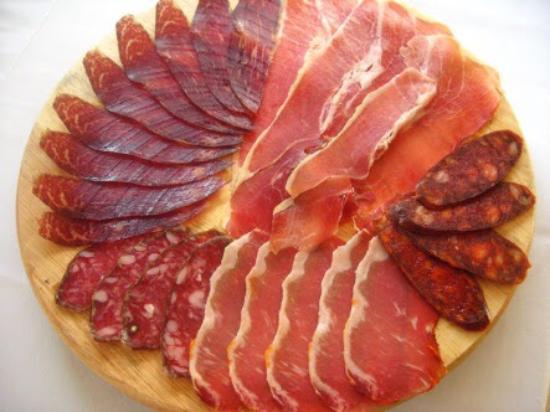
Embutidos

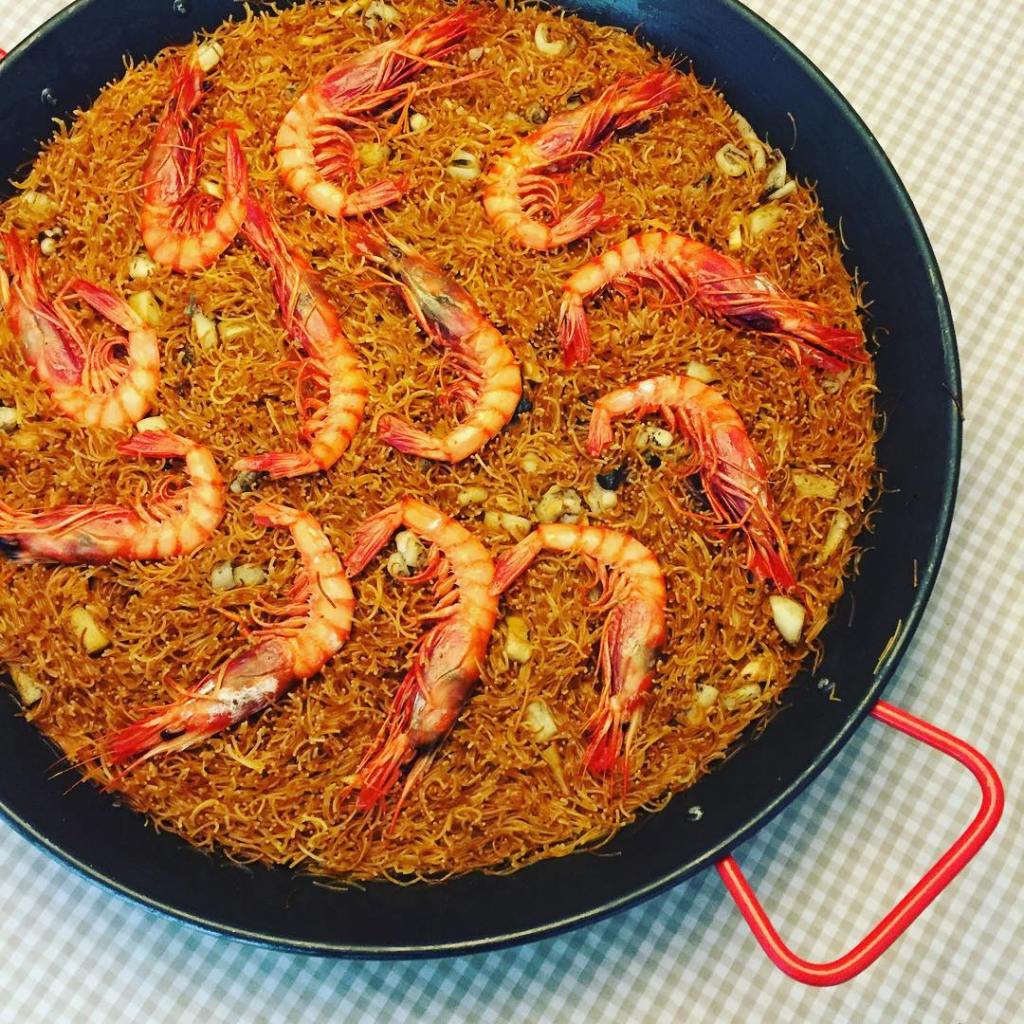
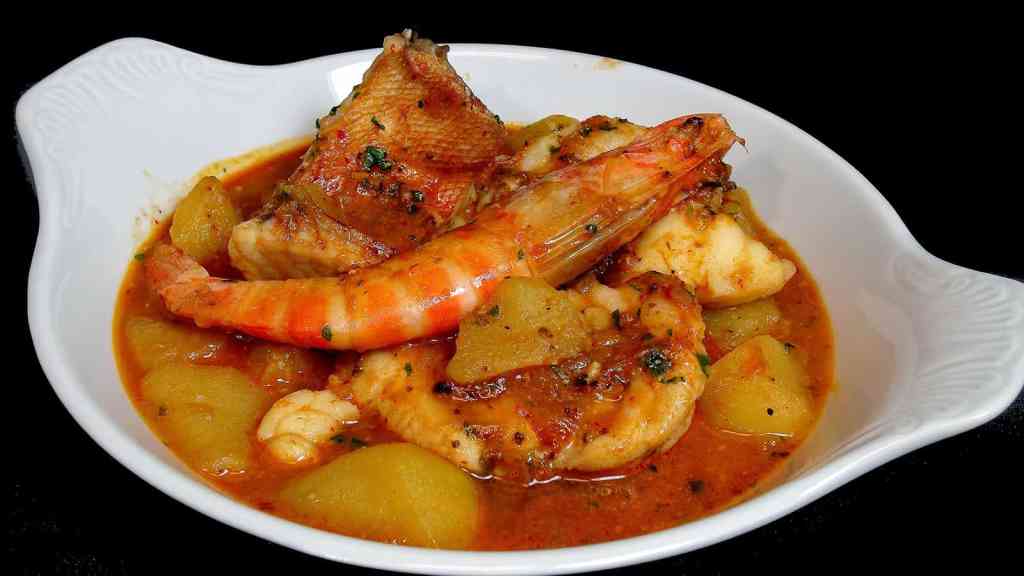
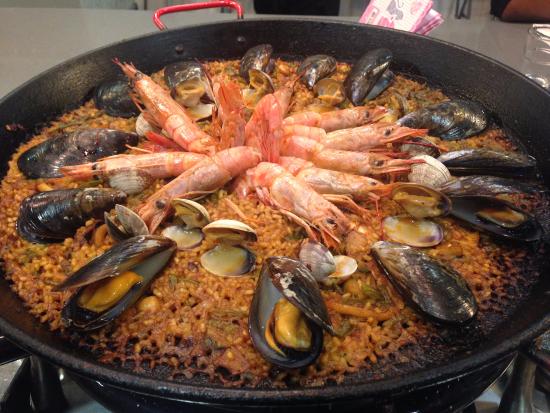
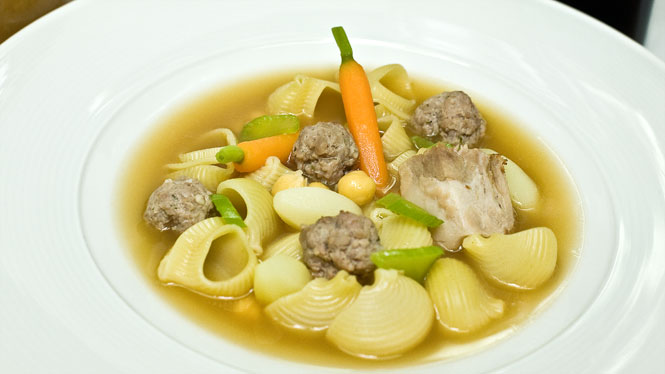
Escudella is a Catalan stew made with a piece of meat, beans, potatoes, cabbage and sometimes pasta. It is made into three courses of food: a broth.  Xai Rostit Amb 12 Cabeçes d’All is a literally translated this means “Lamb Roasted with 12 Heads of Garlic”.Embutidos is the collective name for a platter of cured meats, including feet (pork) and jamon.  Esqueixada is a salad made with peppers, tomatoes, onions, red wine vinegar and shredded ‘bacalao’. Bacalao is salt cod and is typical of the region – cod preserved in salt and soaked before serving. Fideuas is a seafood paella, but served with short noodles, rather than rice. Suquet de Peix is a Seafood Stew with potatoes, garlic and tomato. A wide variety of fish can be used in the stew. Paella Catalana is a spicy rice with seafood.
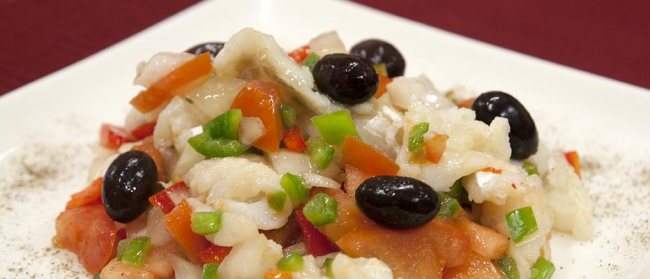
Esqueixada
Escudella
Fideuas
Suquet De Peix ( Fish Stew)
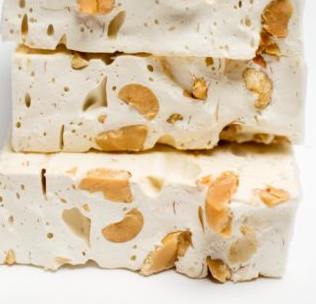
Turron De Navidad

Sweet confectionery and pastry products are consumed in Merianda and special religious days.  Turron De  Navidad is almond nougat for Christmas day , Tortell De Reis means cake of the king which is made cake with candied fruit and almonds for Epiphany day, Coco De Illardons is made sweet yeast round cake with pork cracklings for Carnival Day , Tortell De Sant Antoni Abat is cake filled with marzipan for 17 January Day, Bunyols De Quaresma is a Lenten filled doughnuts for Good Friday. Mona De Pasqua is  the Easter Ring made with yeast dough for Easter. Coca De Sant Joan Cake is  yeast dough with candied fruits for Sant Joan Eve( St John Eve) . Panellets De Tots Sants is small  round or oval cakes with marzipan , almonds and pine nuts variation includes add coffee , chocolate, hazelnuts, chestnuts ..etc for All Saints.
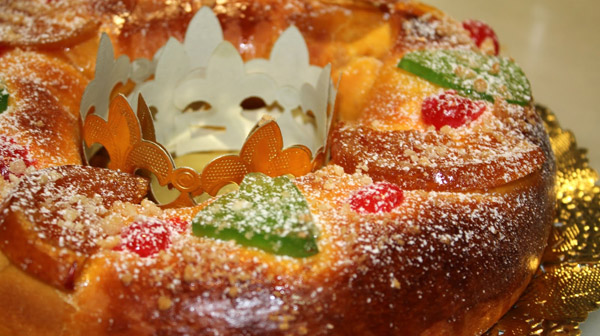
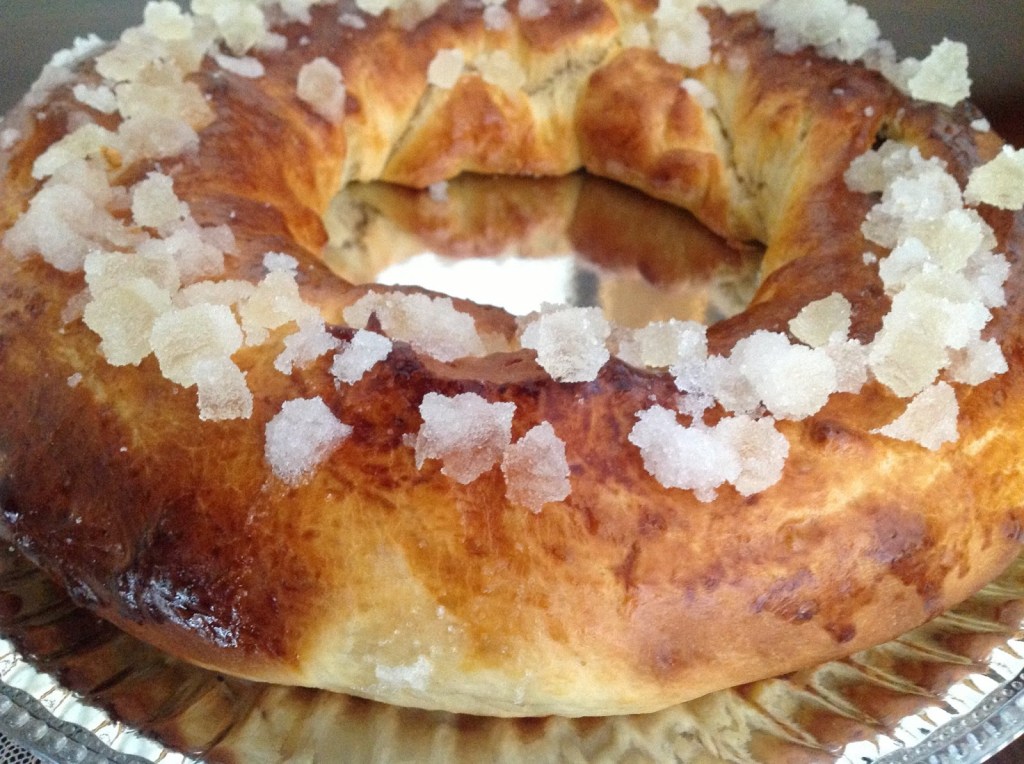
Tortell De Reis
Tortell Sant Antoni Abat
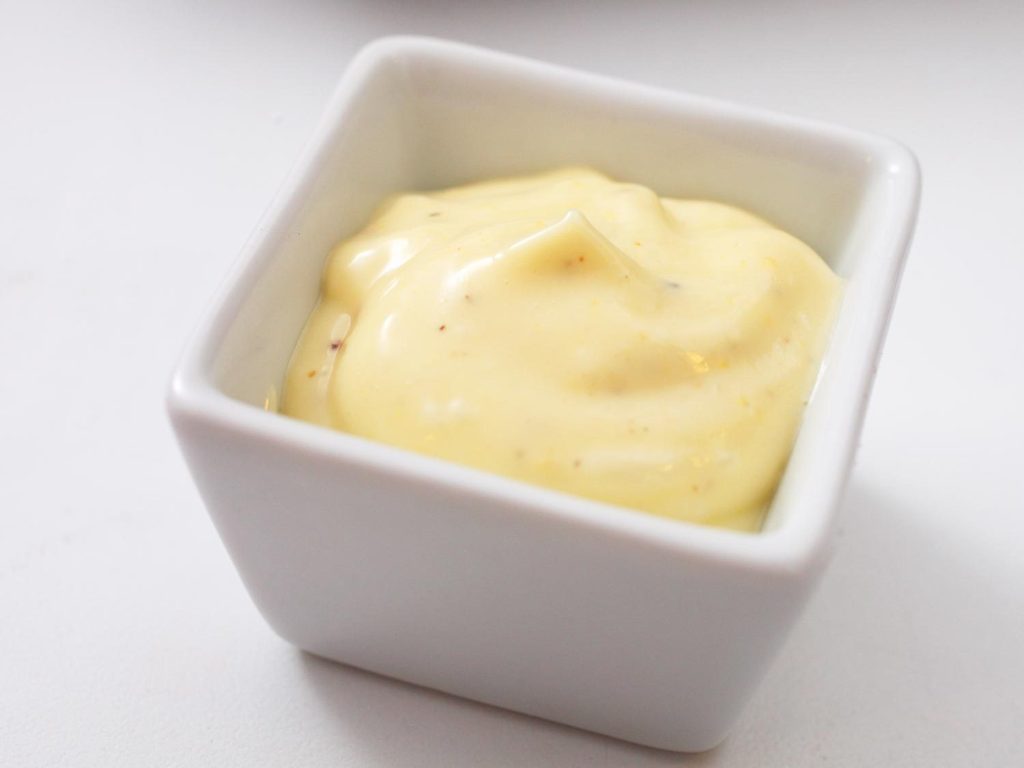
Aioli

Catalan’s important sauces are Picada, Romesco and Aioli. Romesco sauce is made from almonds, roasted garlic, olive oil and dried red peppers. Aioli sauce is made from egg with garlic and olive oil. The ingredients are whipped up for a long time to make a white paste. Picada made a paste with garlic, olive oil, bread, nuts, herbs and spices.
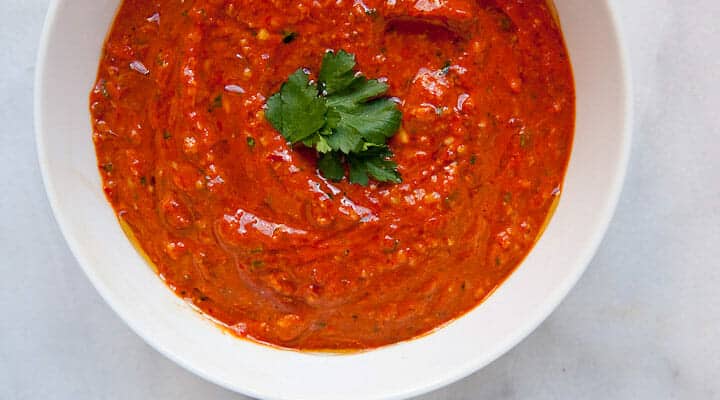
Romesco Sauce
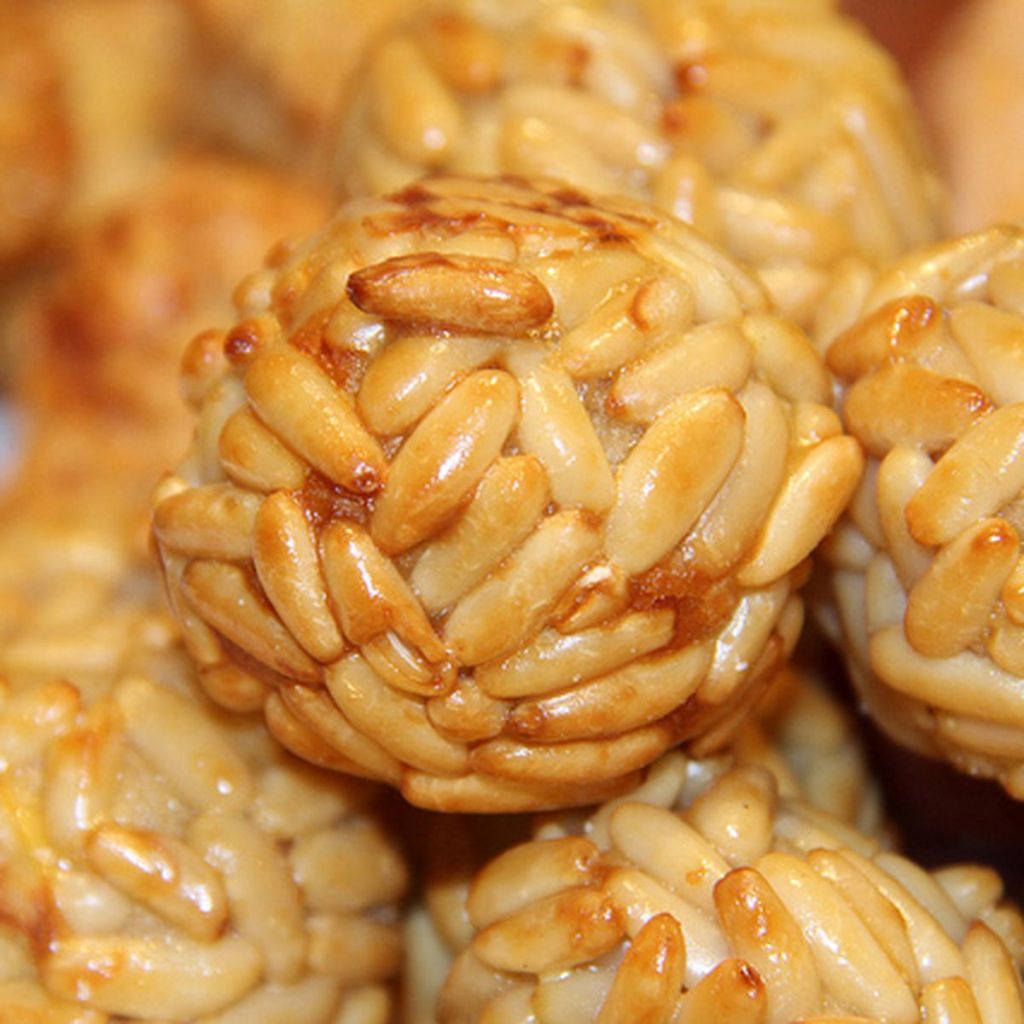
Panellets

 Crema Catalana is most essential dessert in Catalonia which is made with sugar, egg yolks and cinnamon and burnt on the top as French Creme Brulee. Other important product is made from Small round sweets made with almonds, sugar, eggs and pine nuts. They can be rolled in any number of coatings, but the traditional ones are rolled in pine nuts which is called Panellets.
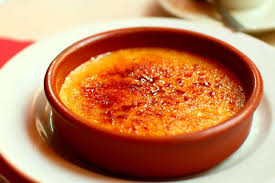
Crema Catalana
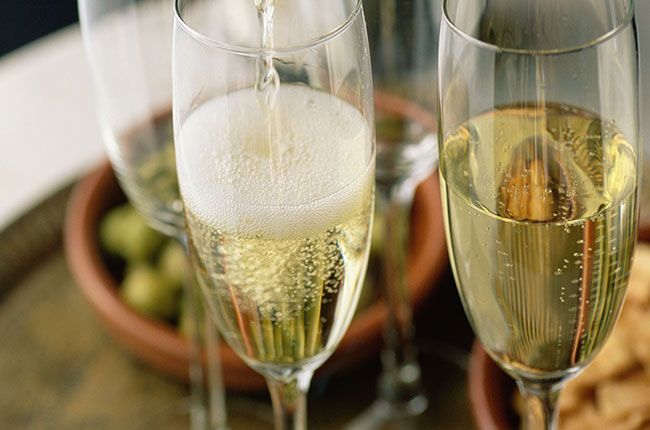
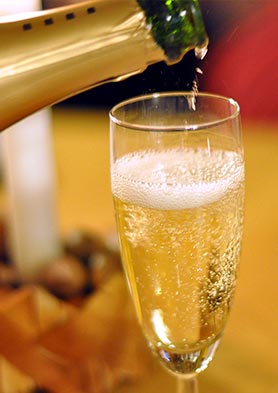
Cava

Cava was produced by Codorniu first time in 1872 . Cava is sparkling fermented and matured grape juice. Cava is specified the quality since November 1991. Quality of product have six types which Extra Brut (0-6 Gram Sugar Per Liter), Brut( 0-15 Gram Per Liter) Extra Seco ( 12-20 Gram Per Liter) Seco  (17-35 Gram Per Liter) Semi Seco (33-50 Gram Per Liter) Dulce ( More Than 50 Gram Per Liter) Other wine production and consumption are essential. Sangria is the most major wine cocktail in Iberia Peninsula.
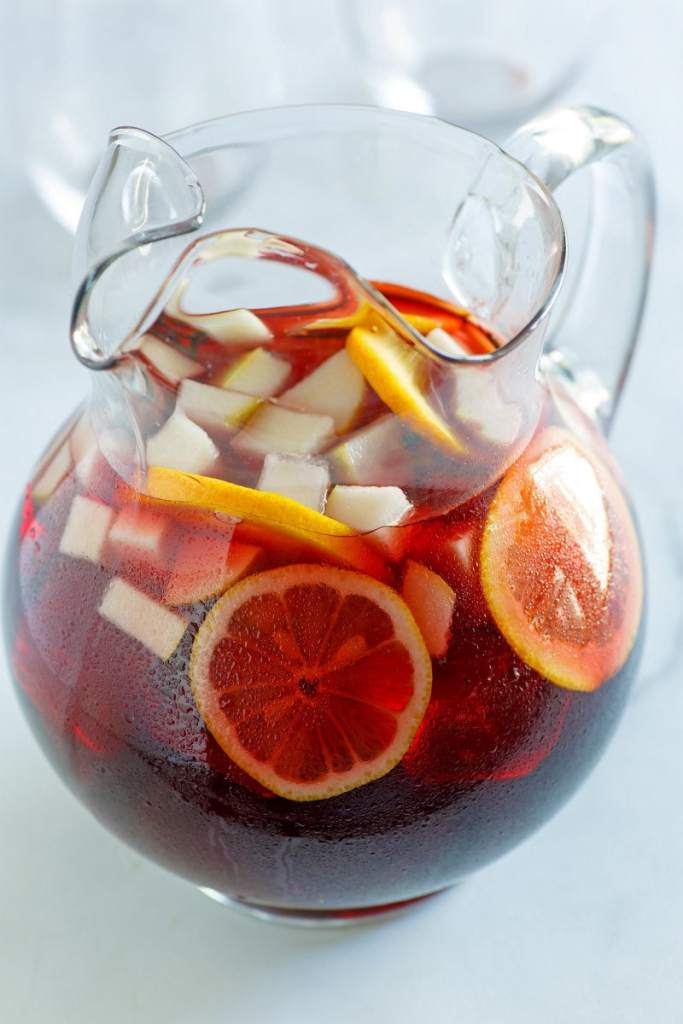
Sangria

As a result Catalonia is large various and rich  culture and food ingredient varieties. They have ability to enrich their customs and palates of delicates.
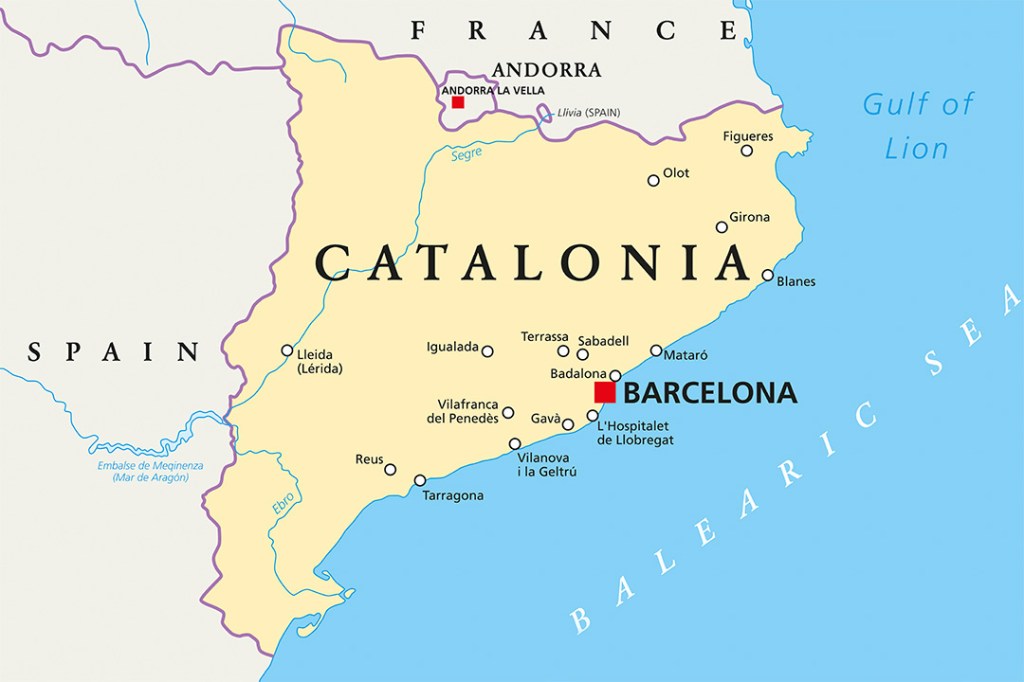
Catalonia

Hello From Catalonia 

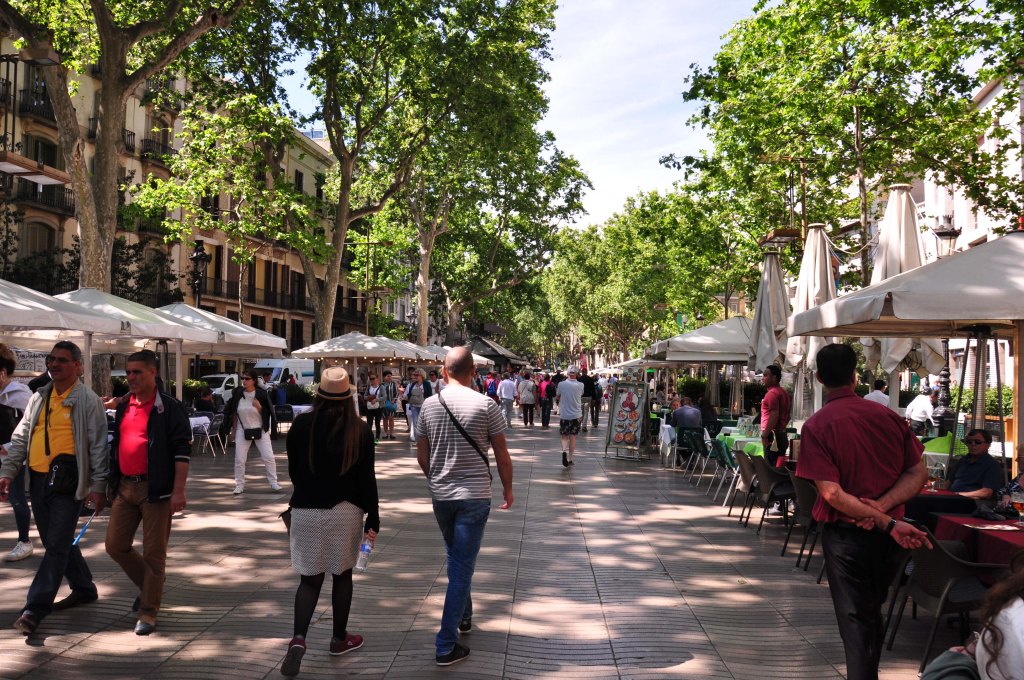
Catalonia (Catalunya /Cataluna/Catalonha)is a nationality and autonomous community in the northeast of Spain. It borders France and Andorra to the north along the Pyrenees, the Mediterranean Sea to the east, Valencia to the south and Aragon to the West. Catalonia Region combined with four provinces which are Barcelona, Girona, Lleida and Tarragona. Barcelona is the capital of Catalonia region. We demand to display with touristic buildings and attractions.

La Ramblas

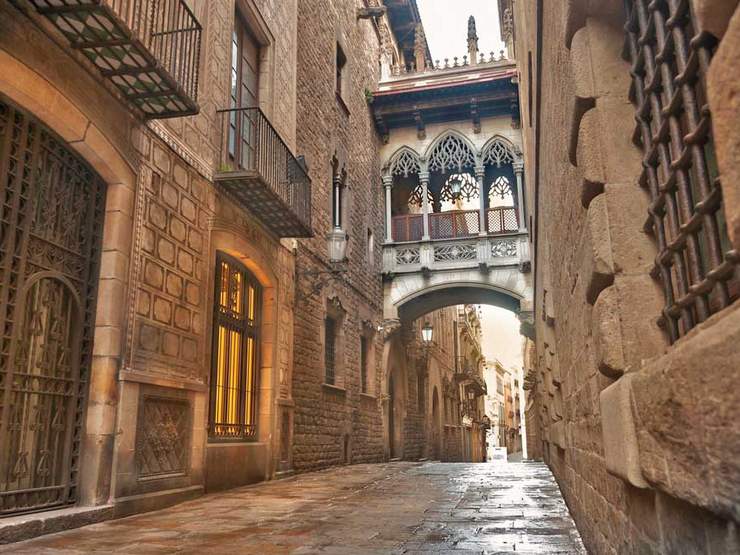
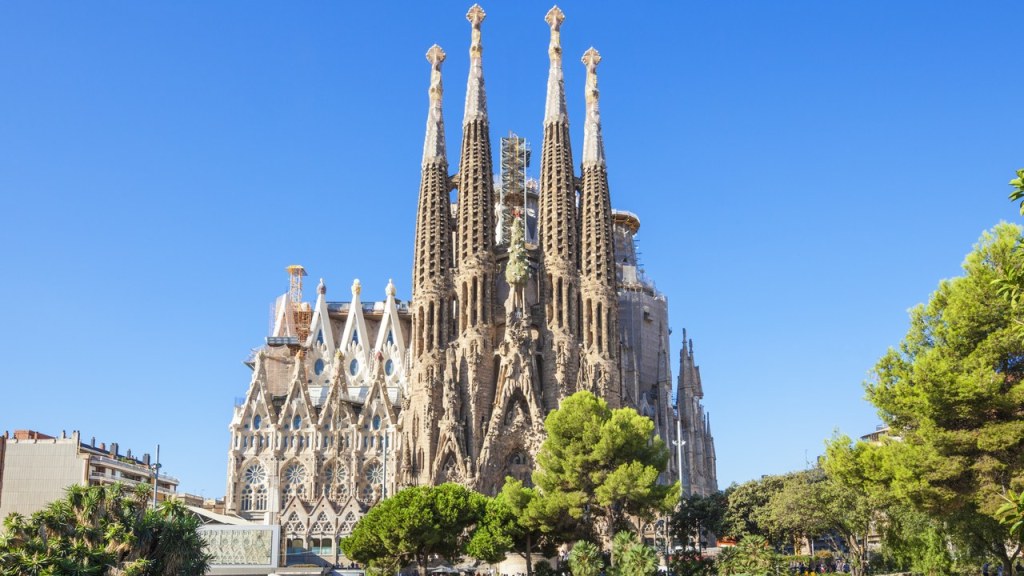
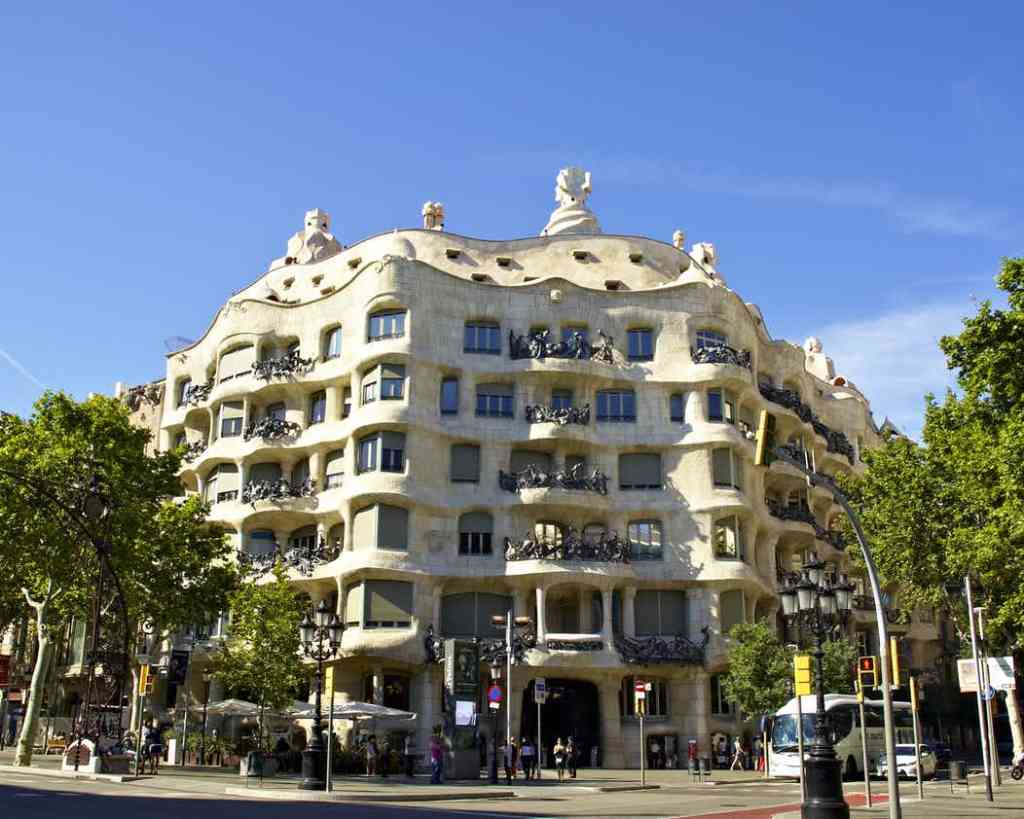
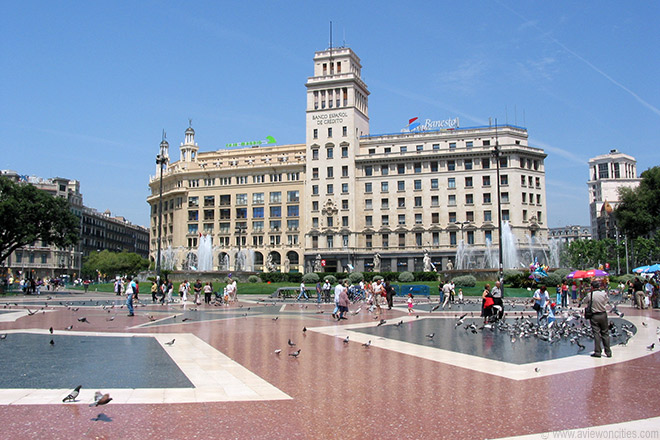
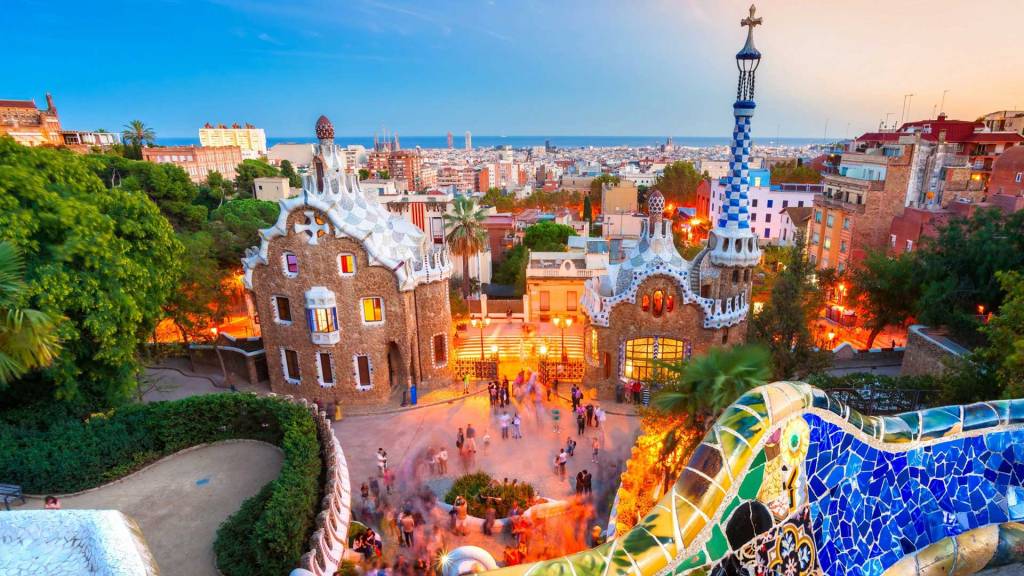
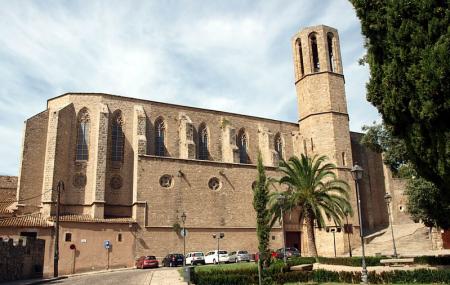
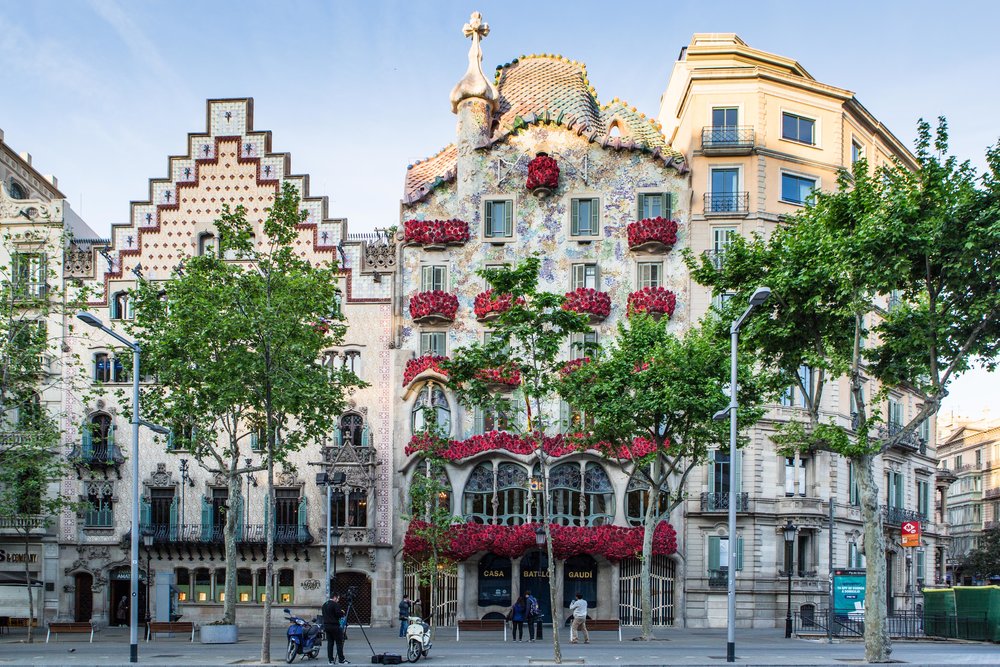
Most important Catalonia places are Barri Gottic  Park Guell , Basilica De Sagrada Famiglia ,La Rambla , Palau Guell , Picasso Museum, Casa Mila , Casa Battlo National Museum of Catalan Art, Passaig Gracia, Placa Reial,Casa Amatller, Plaza Del Cataluna, Reial Monestir de Santa Maria de Pedralbes, Grand Teatre Del Liceu, Torre Bellesguard Antoni Gaudí, Cascada Monumental , Sant Pau del Camp which are located in Barcelona.

Barri Gotic
Sagrada Famiglia
Casa Mila
Plaza De Catalunya
Park Guell
Reial Monestir de Santa Maria de Pedralbes
Casa Battlo
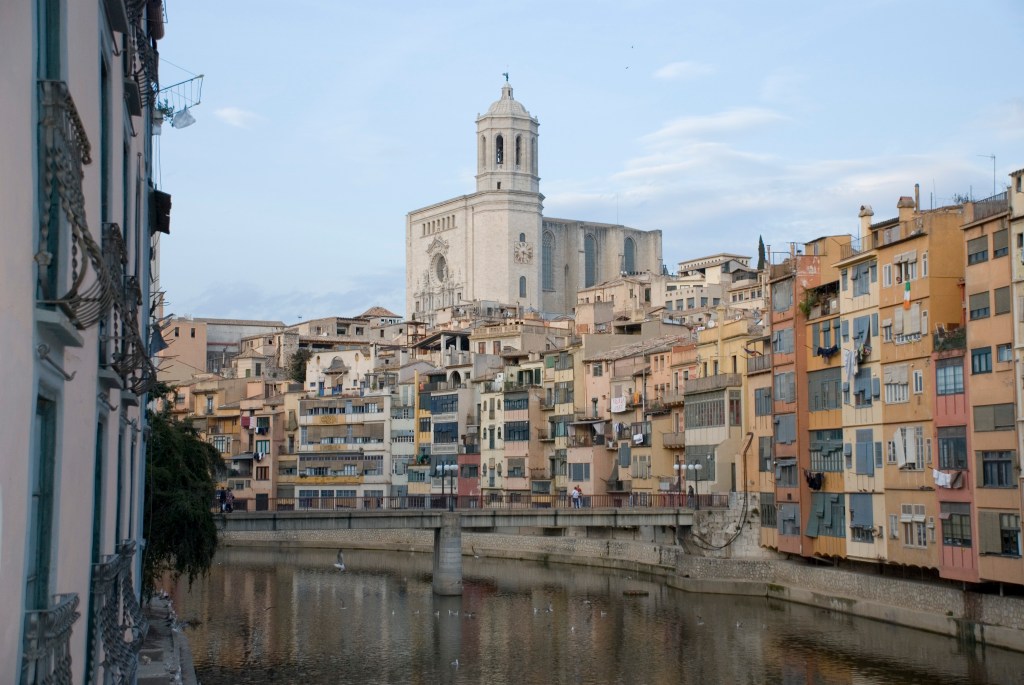
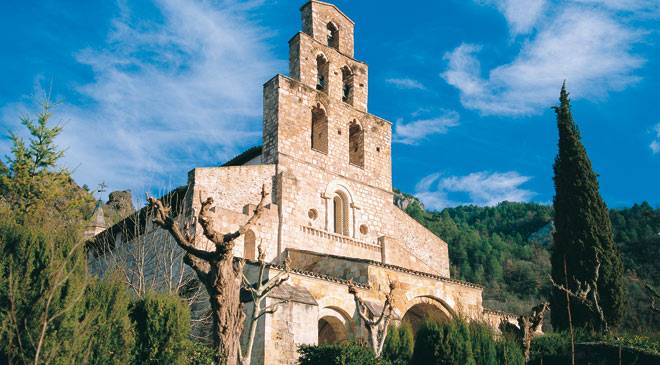
Girona City & Girona Cathedral

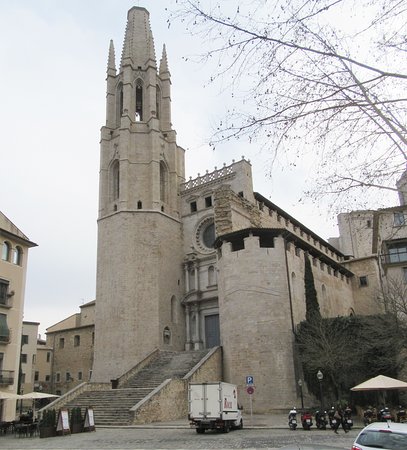
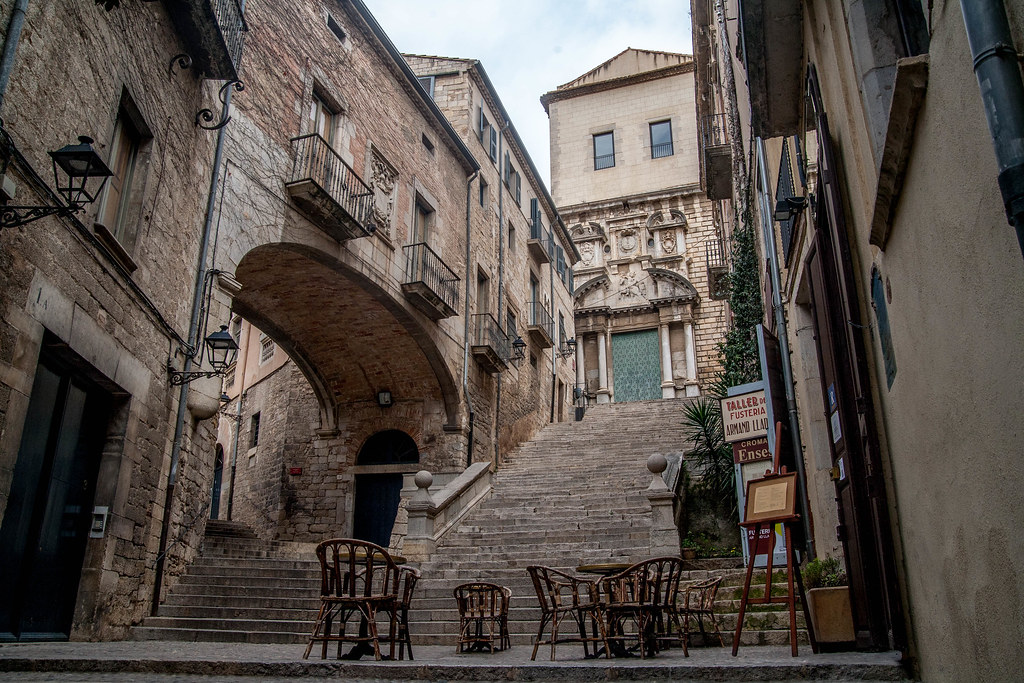
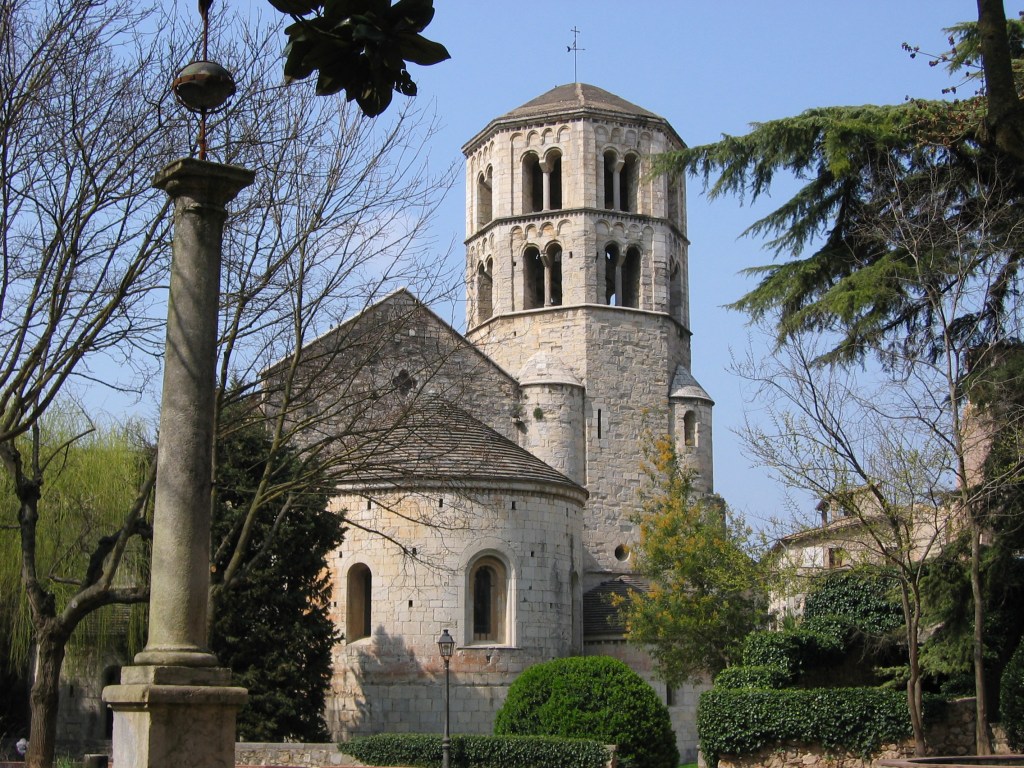
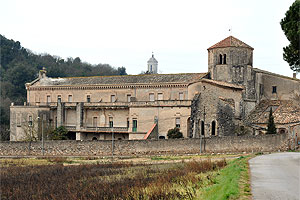
Girona’s most important touristic places are Forca Vella, Girona  Cathedral, Monasterio de Sant Pere de Galligants, Girona Art Museum, Girona History Museum, Jewish History Museum, Convent of Sant Domènec, Archeological Museum of Catalonia, Basilica de Sant Feliu, Casa Masa, Monasterio de San Daniel de Girona , Plaça de la Independència, Film Museum Rambla De La Ribertad , Castell De Montjuic, Patronat Call De Girona, Passeig De La Muralla, Eiffel Bridge (Pont de les Peixateries Velles), Pont De Pedra, El Cul De Ileona, Castell De Requessens, Torre Gironella ,Pueblo Medieval de Palau Sator, Castillo De Sant Salvador De Verdera.

Saint Feliu Basilica
Forca Vella
Monasterio de Sant Pere de Galligants
Monasterio de San Daniel de Girona
Pueblo Medieval de Palau Sator

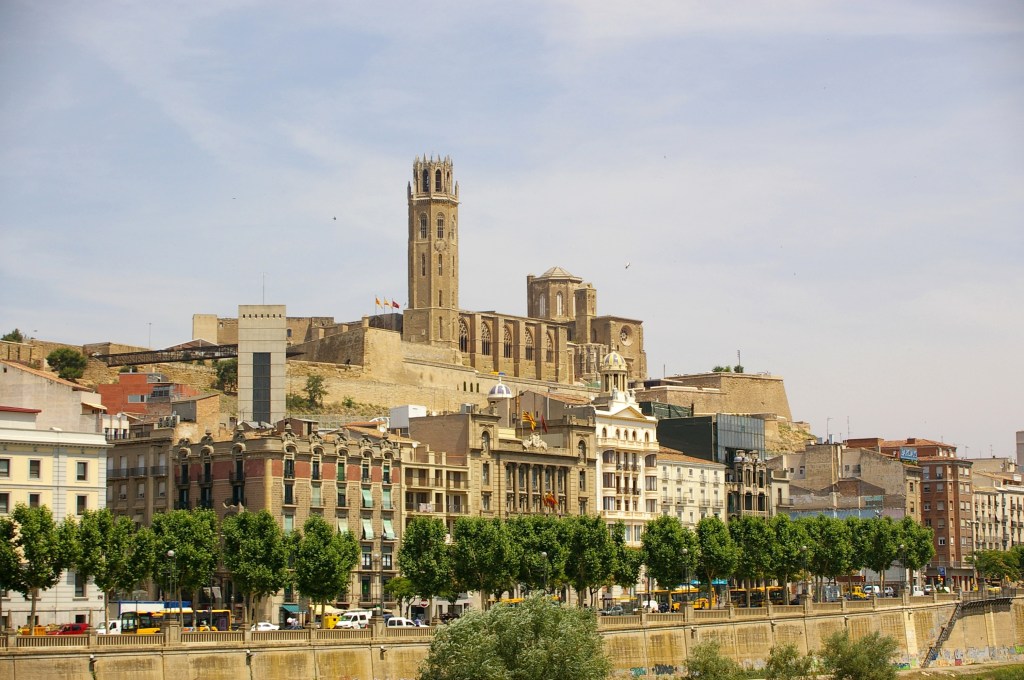
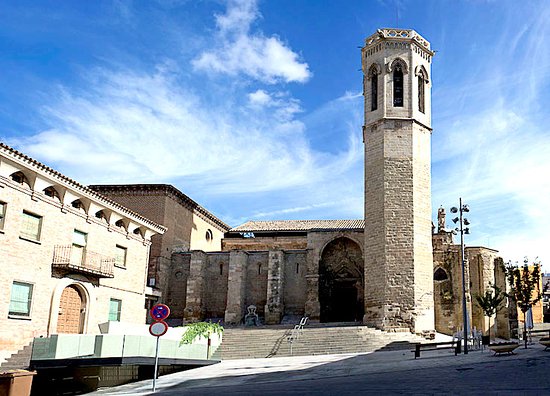
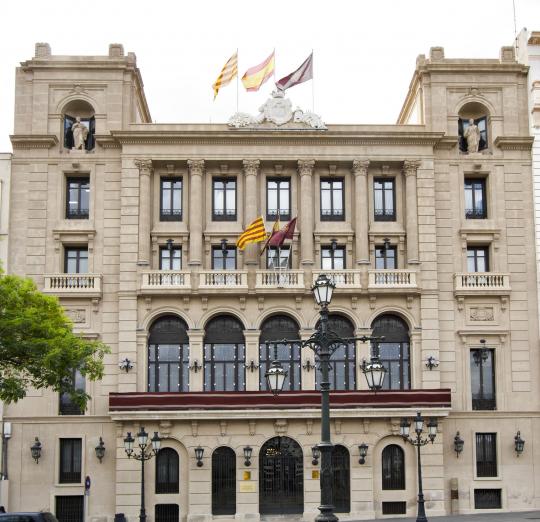
Lleida’s most important places are  La Seu Vella ,Iglesia Sant Llorenç , Palacio De La Paeria, Convento Del Roser , Gerri De La Sal , Castle of Mur, Lleida Museum, Park De Los Campos Eliseos De Lerida ,Rio Segre , Catedral Nuevo , La Catedral Vieja , Castell De La Suda , Iglesia Sant Joan , Jaume Morera Art Museum.

Iglesia Saint Llorenç
Palacio De La Paeria
Gerri De Sal
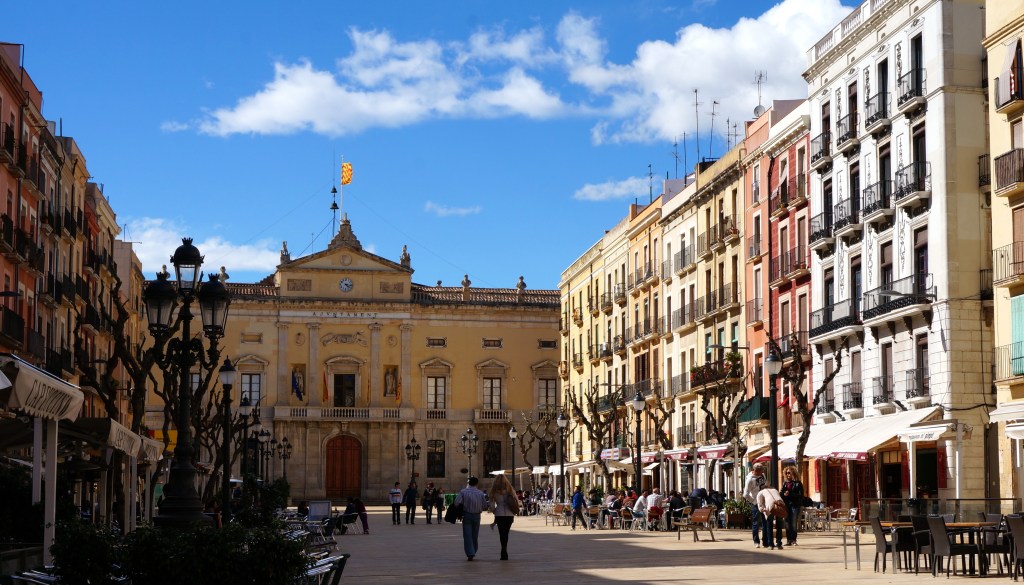
Old Town Tarragona

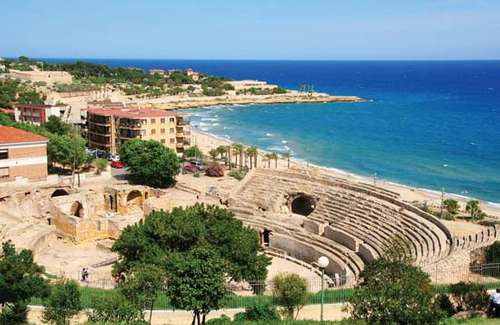
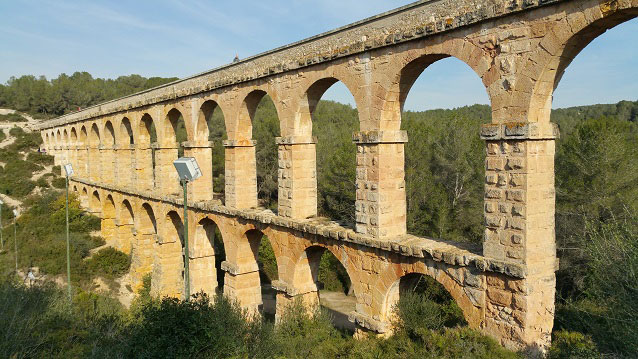
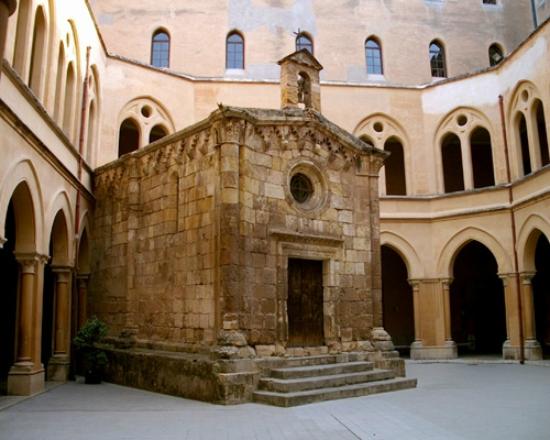
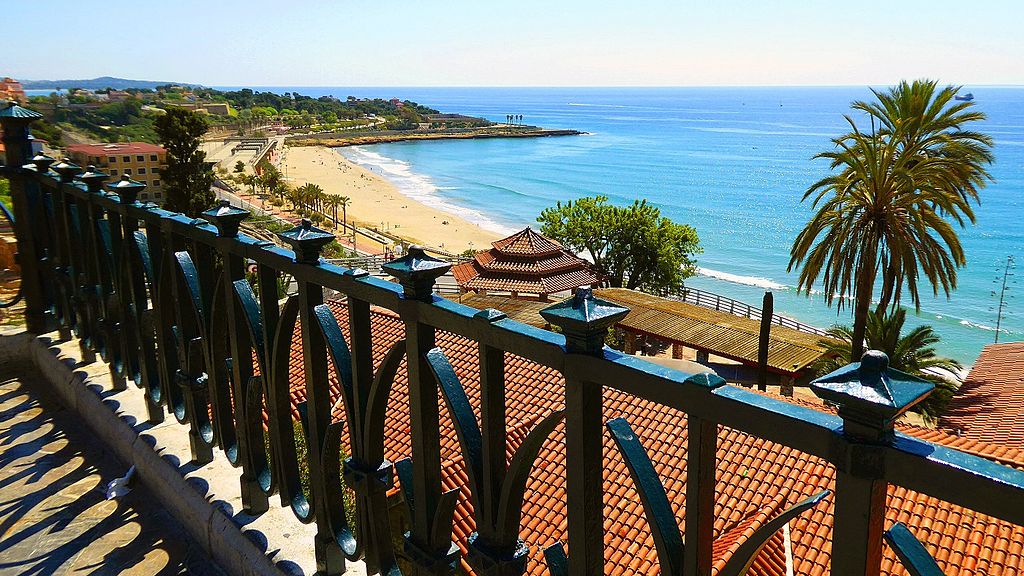
Tarragona’s  most important places are Tarragona Amphitheatre ,Tarragona Cathedral ,Pont Del Diable, Part Alta, Mediterranean Balcony ,Circ Roma, Casco Antiguo de Tarragona , Murallas de Tarragona , La Rambla Nova , Place Del Sedassos, Capilla De San Pablo , Ajuntament De Tarragona

Tarragona Amphitheatre
Ponte Del Diable
Capilla De San Pablo
Mediterranean Balcony
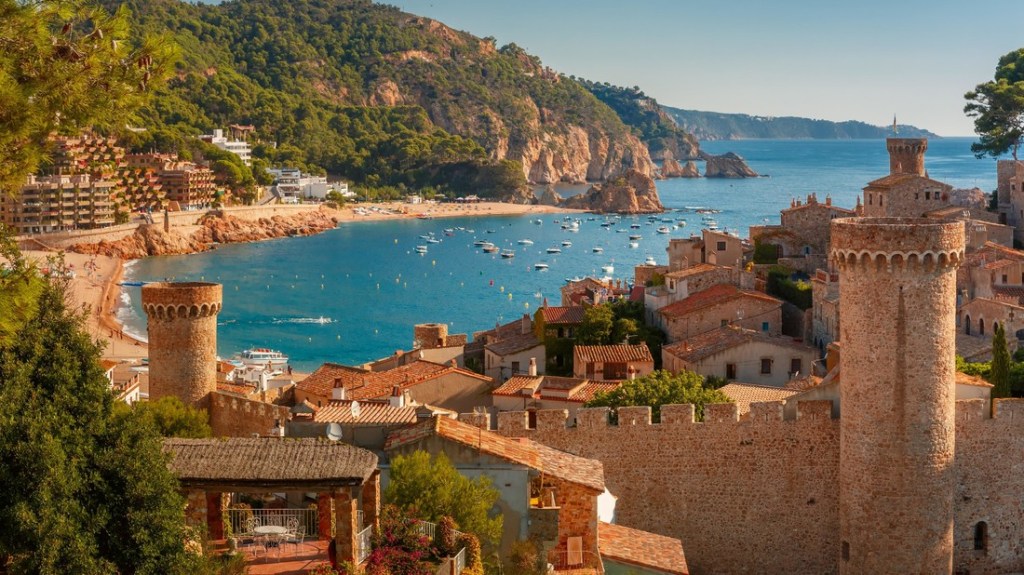
Tossa De Mar

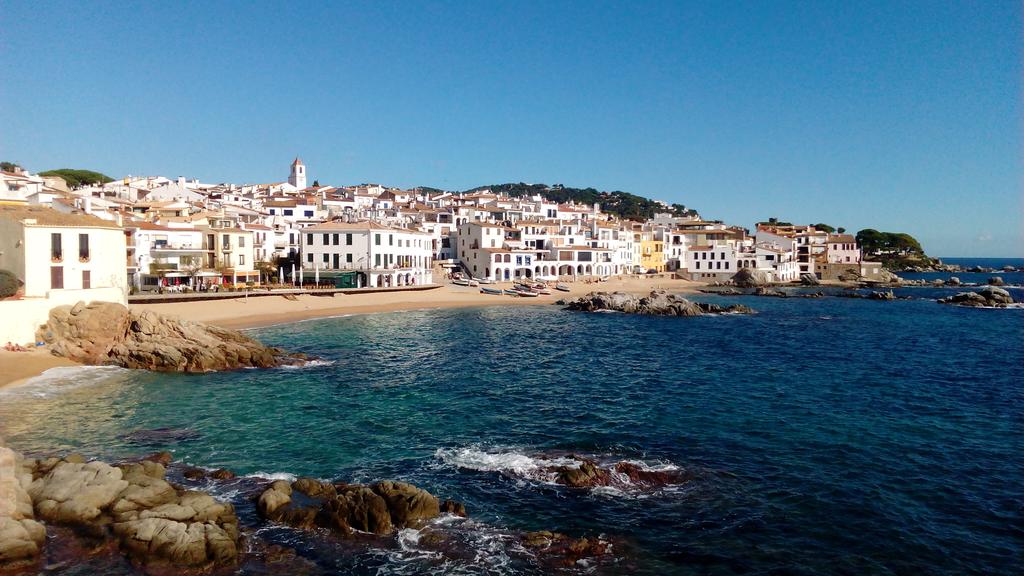
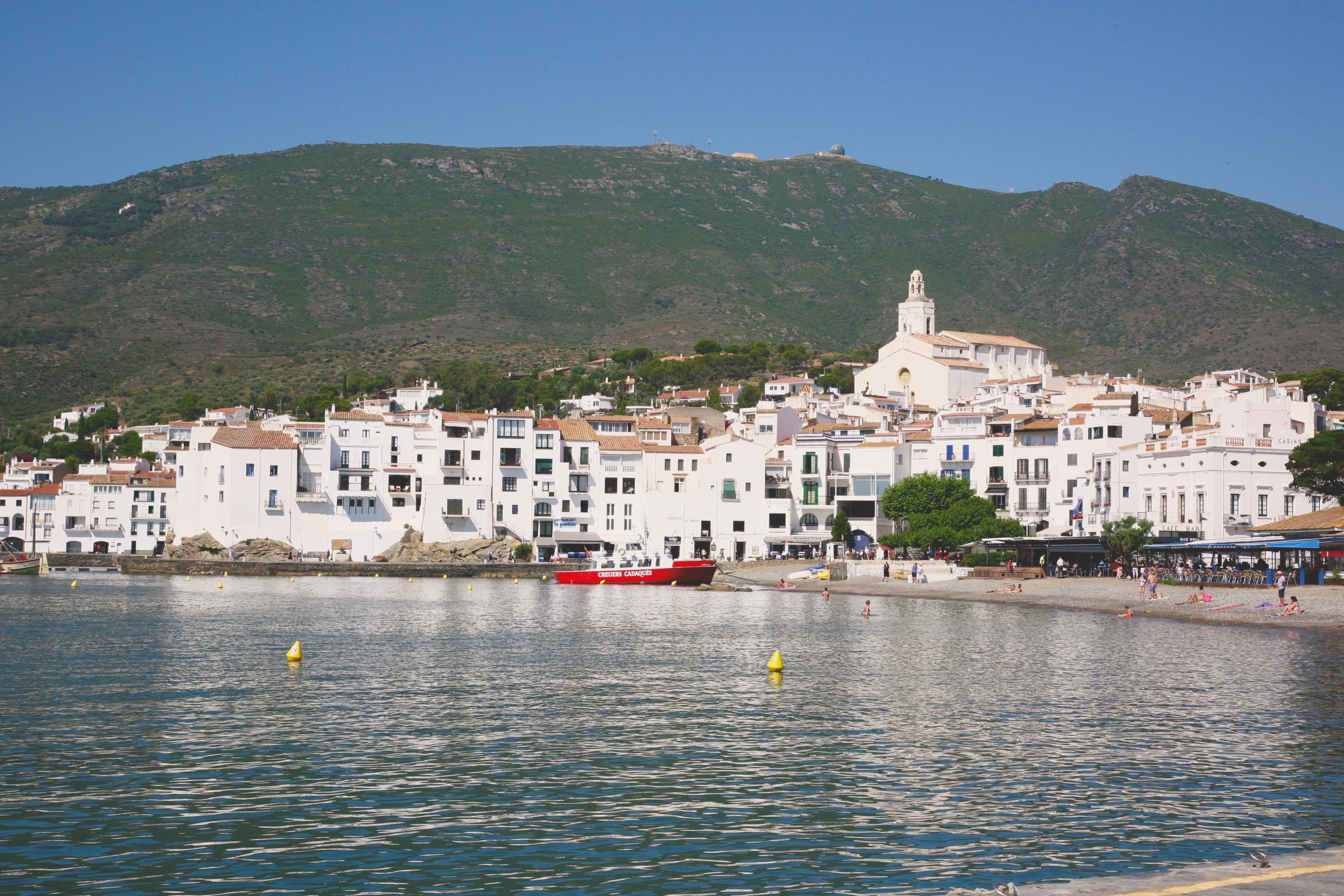
 Costa Brava have lot of beaches in that area and also fishing Village of Callela de Palafrugell and Santa Susanna, Cadaques, Blanes,Roses,L’Escala, L’Esfarit, Tossa De Mar , Pals,Empuria Brava are essential for sailing, swimming and fishing.   

Callela De Palafrugell
Cadaques

Catalonia  amazing wonderful  Mediterranean city that’s reason why city has lot touristic attraction. Next topic is Catalonian Food & Beverage culture ,brands and recipes.  

Cava ( Sparkling Wine)
Catalonia Sea Food Paella

Eating Habits of Spain

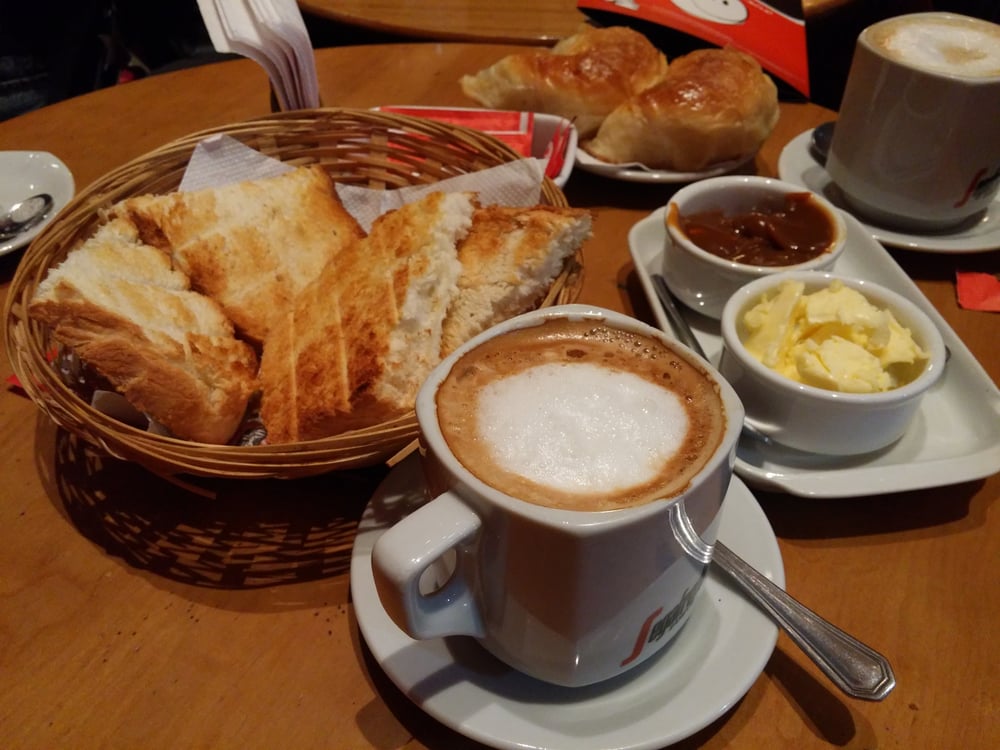
The typical pattern of Spanish eating customs have two major meals which are light breakfast and midday dinner or supper. Spanish people prefer  to consume European Continental Breakfast consisting of quick eaten pastries, small buttered breads  with jams or marmalades and coffee or milk. On the other hand Spaniards love to consume and substitute major breakfast selection to the sausage called churros and fritters called “porras”. They could select second meals “Tapas” or “Merienda”.  

The Spanish People delay the meal schedule time as they can possible which is   the mostly typical feature  of the meal. Generally Spaniards consume and adjusted for work schedule midday dinner between 14:00PM-16:00PM.  On the vacations or festivities Spaniards tend to postpone it until 16:00 PM. They prefer earlier consumption of tapas. The most significant feature  of the Spanish midday dinner is to prolong it as late into the day as possible with help of desserts, liqueurs and coffee. Its most important activity is  the midday nap or called siesta. After 1939 Spaniards  began to eat  at the table  three main dishes plus appetizers ,cheeses and dessert. The traditional Spanish supper around 22:00 PM characterized being light although it consists again of  two main dishes and desserts. Vegetables and fish are often preferred. 

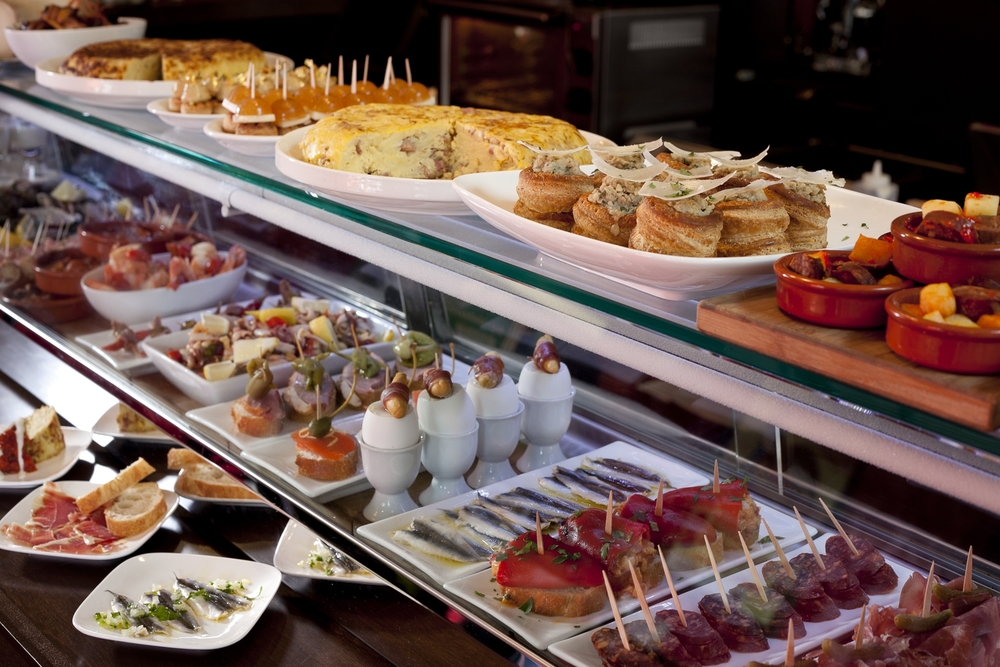
Spanish People being of a relaxed Mediterranean temperament have created mini meal between breakfast and midday dinner. This meal called Tapas which food and beverage are equal importance. A classical tapas can be eaten with fork or top of a piece of bread. Drinks of low alcoholic  content such as beer, wine such “Jerez” , “Mazanilla” and “Fino” with tapas. High alcoholic content  beverages are served with olives, dried fruits.

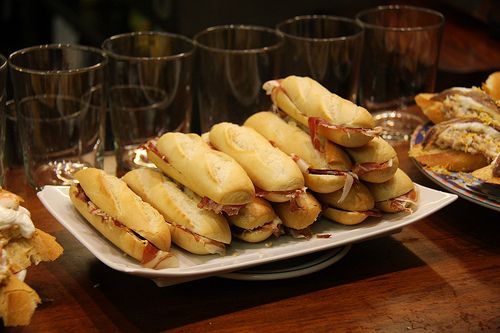
“Merienda” is the meal between the midday and the supper. Generally this meal is for socializing during afternoons. The  drink most representative of Spanish “merienda” is chocolate and “Jicaras” which are absorbent cookies. Also “Bocadillo” which whole loaf sandwich stuffed with sausage called “chorizo”, squid fried in a butter , Spanish omelet  which is “Tortilla” or Serrano ham and Manchego cheese, sliced quince and grated chocolate     

Conclusion Spanish consumption habit act as Mediterranean eating habit. You should get use to late consumption as Mediterranean as you can. If you taste their delicacies with learn culture and observe the people.

Spain

Welcome To Spain ; First of all We decided to start from Spain’s General Information

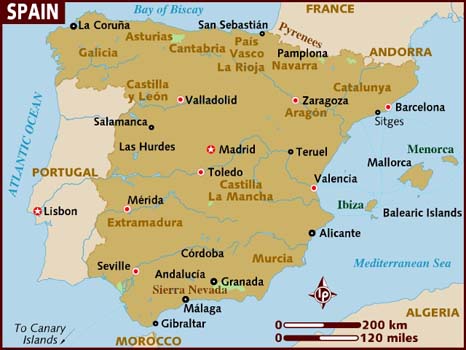
Spain is located in Iberian Peninsula which is in South Western Europe. Spain lies between latitudes 26° and 44° N, and longitudes 19° W and 5° E. Territory ıncludes archipelagos and islands which are Balearic , Canary Islands. Canary Island off the coast North Western Africa and Balearic Island is in the Mediterranean. Spain is bordered Morocco from southwest, Gibraltar and Mediterranean from south and southeast , Portugal and Atlantic Ocean from west , France and Andorra from North East. Bay of Biscay from North

Mainland Spain is a mountainous country, dominated by high plateaus and mountain chains. After the Pyrenees, the main mountain ranges are the Cordillera Cantábrica (Cantabrian Range), Sistema Ibérico (Iberian System), Sistema Central (Central System), Montes de Toledo, Sierra Morena and the Sistema Bético (Baetic System) whose highest peak, the 3,478-metre-high (11,411-foot) Mulhacén, located in Sierra Nevada, is the highest elevation in the Iberian Peninsula. The highest point in Spain is the Teide, a 3,718-metre (12,198 ft) active volcano in the Canary Islands. The Meseta Central (often translated as “Inner Plateau”) is a vast plateau in the heart of peninsular Spain.

There are several major rivers in Spain such as the Tagus (Tajo), Ebro, Guadiana, Douro (Duero), Guadalquivir, Júcar, Segura, Turia and Minho (Miño). Alluvial plains are found along the coast, the largest of which is that of the Guadalquivir in Andalusia. Spain have three types of climate conditions which are Mediterranean , Semi Arid and Oceanic climates.
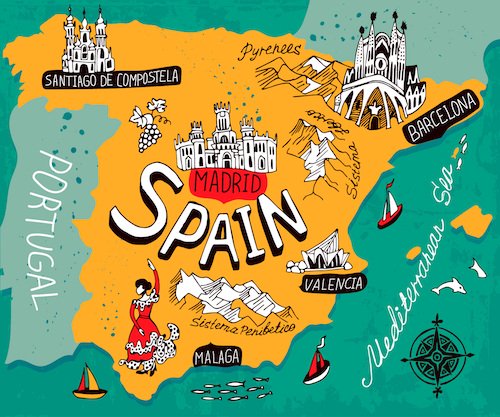
 Spain is the largest country from Mediterranean  or South of European region. Country covers 505.990 kilometer square and sixth largest population all around the Europe. Population of Spain is 46.438 million people who are living in whole country.

 A many people of population believes Roman Catholic religions. Also Spain have various ethnic minorities as North Africans, Iberians, Catalans, Galicians, Basque, Castilian, Greeks, Romans, Mediterranean Levant, North European Celts, Basques, Germanic Visigoths, Andalusian, Gitanos and Jews.  

Spain have 17 regions which are Galicia, Asturias , Cantabria, Basque, Navarra, Aragon, Catalonia, Castile Y Leon ,La Rioja, Madrid , Extremadura, Andalusia, Castile La Mancha ,Murcia ,Valencia, Balearic Islands, and Canary Islands .  Capital of Spain is Madrid also other largest cities which are Barcelona, Valencia, Seville ,Malaga , Bilbao.  

Conclusion we summarized to general information about Spain. Spain have multivariable demographics, cultures ,climates and other geographical conditions influenced richness eating habits, living conditions. That instrument creates various delicious products, artists and other ingredients of life. We are going to evaluate general and regional Spain.      

Introduction

Welcome To LIFE OF PALATE ;

Travelling is an essential part of learning, observing and practicing different cultures, tastes and habits. Confucius who was important Chinese philosopher said “Wherever you go, go with all your heart.”. This Blog , which name is Life of Palate phylosophy comes from Confucius. If you travel the world , you have currious, passion, open minded, good observer and searcher.

Countries and Regions are influenced to growth of food and beverage ingredients and eating habits from cultural, geographical, historical also other influences inclueded.

Life of Palate determines to visit and explain regions and countries touristical , historical places , food markets ,restaurants, bars , breweries, wineries, and distilleries and other food and beverage production areas.

Conclusion Travelling is a life style to learning culture , planting and processing food ıngredients, eating and drinking regional foods and beverages. That ‘s reason why mouth palate has five senses. Travelling gives these senses as in the mouth.